Prototyping Services
As an OEM factory, we developed a large number of projects successfully in the past years! 90% of them are new in the world and Some of them need a prototype to test the function before making molds and mass production.
So the Prototype service is necessary! MAXWISE has very reliable contracting factories whom could help make prototype.
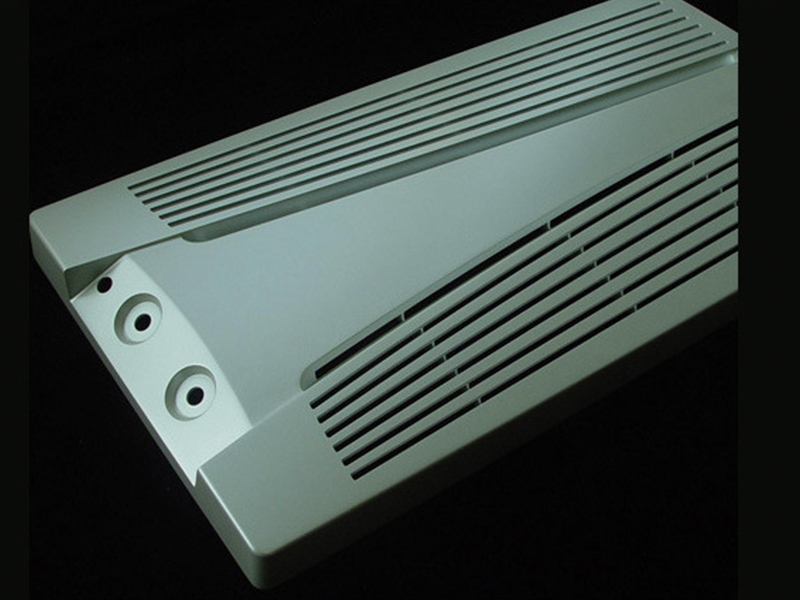
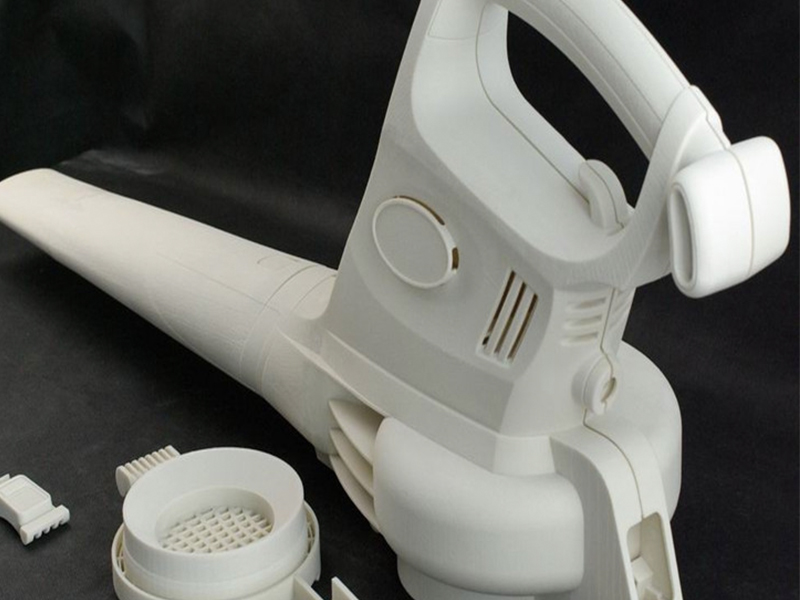
Stereolithography (SLA) & Selective laser sintering (SLS)
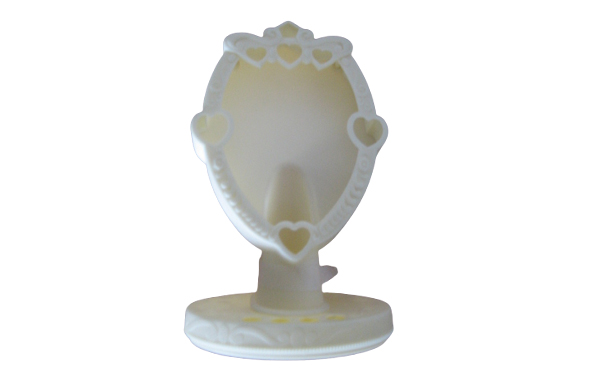
SLA
Used to build concept models, cosmetic prototypes, and complex parts with intricate geometries.
Material options: SOMOS 14120, SOMOS 11122, Lasty(UTR6180), etc.
Tolerance: +/-0.1mm (0.002in) (may change per part geometry)
Properties: Parts come out with good quality surface finishes for cosmetic prototypes with high accuracy and features.
Lead Time: 1 to 3 days
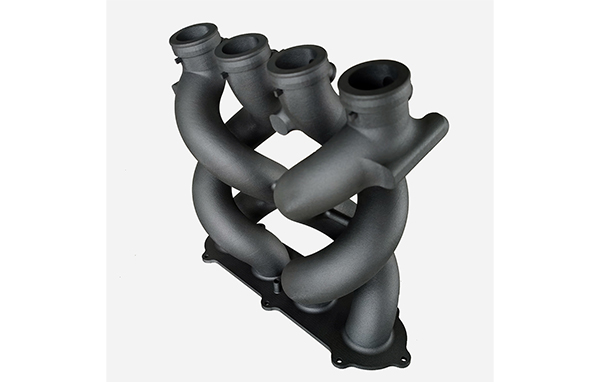
SLS
Used to create highly durable final parts that require heat resistance, chemical resistance, flexibility, or dimensional stability, suitable for producing accurate prototypes, mechanical models and functional production parts
Material options: Nylon, PA2200, PA3200GF, ABS, TPU etc.
Tolerance: +/-0.1mm (0.002in) (may change per part geometry)
Properties: More economical option when higher volumes of 3D-printed parts are required. SLS parts are more substantial than the SLA counterpart, but their surface finish is not good as the SLA ones.
Lead Time: 1 to 3 days
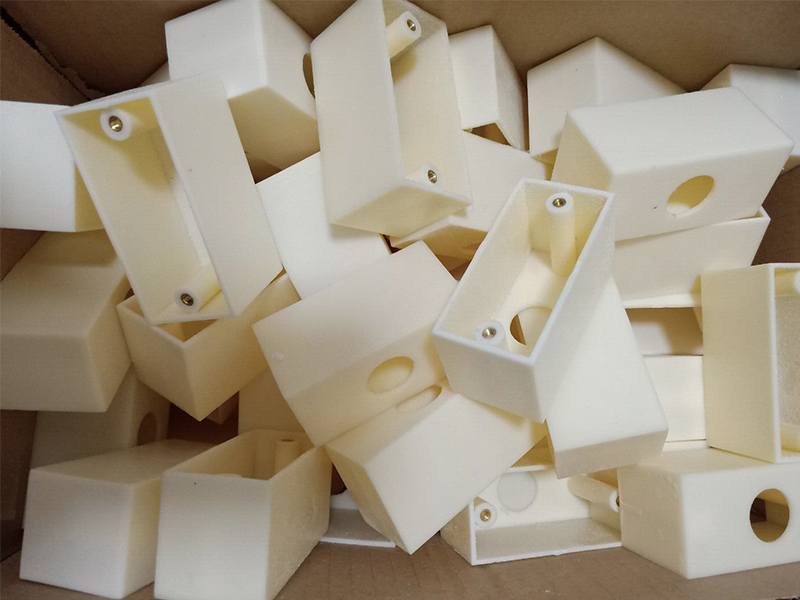
Samples Display
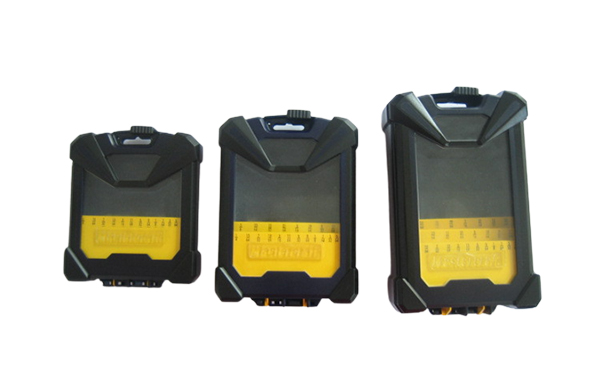
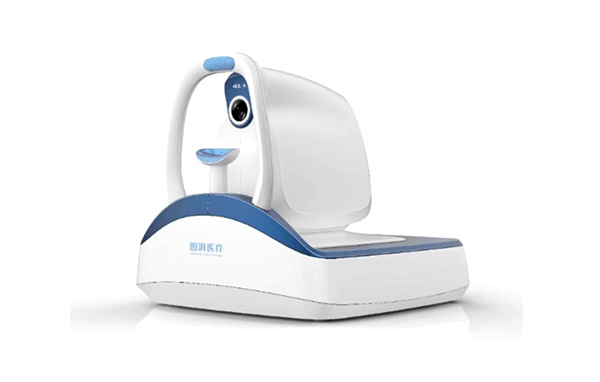
Vacuum Casting Service
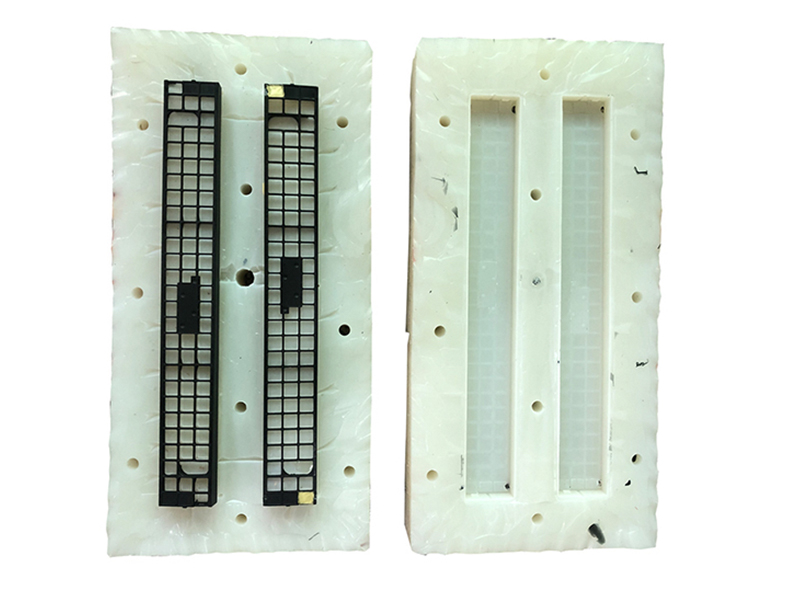
Vacuum casting, also called Urethane casting or Polyurethane casting which uses silicon moulds to make a high-quality prototypes of plastic and rubber components by using polyurethanes resins. It’s a low-cost, productive and efficient solution for making high quality small batches of prototypes.
Vacuum casting, also called Urethane casting or Polyurethane casting which uses silicon moulds to make a high-quality prototypes of plastic and rubber components by using polyurethanes resins. It’s a low-cost, productive and efficient solution for making high quality small batches of prototypes.
| Content | Parameters |
| Material Options | ABS, PMMA, PS, Elastomer, PP, Acrylic, |
| Accuracy | ±0.05 mm (Best so far) |
| Minimum wall thickness | 1.5mm to 2.5mm |
| Maximum part dimension | 2200mm*1200mm *1000mm |
| Typical Quantities | Up to 50 parts per mould |
| Color | Optional and customized per customer’s requirement |
| Surface Finish | Optional and customized per customer’s requirement |
| Typical Lead Team | 7 to 15 days for 10 to 20 pieces of parts |
Advantage & Disadvantage of Vacuum Casting
Advantage
Disadvantage
Samples Display