Vacuum Casting Service
  • MOQ: 1 piece
  • Rapid replication of 1-50 pieces of functional prototypess
  • Standard lead time: 7 working days for 20 parts, would expedite if needed
  • High quality parts with competitive prices

Vacuum Casting Service

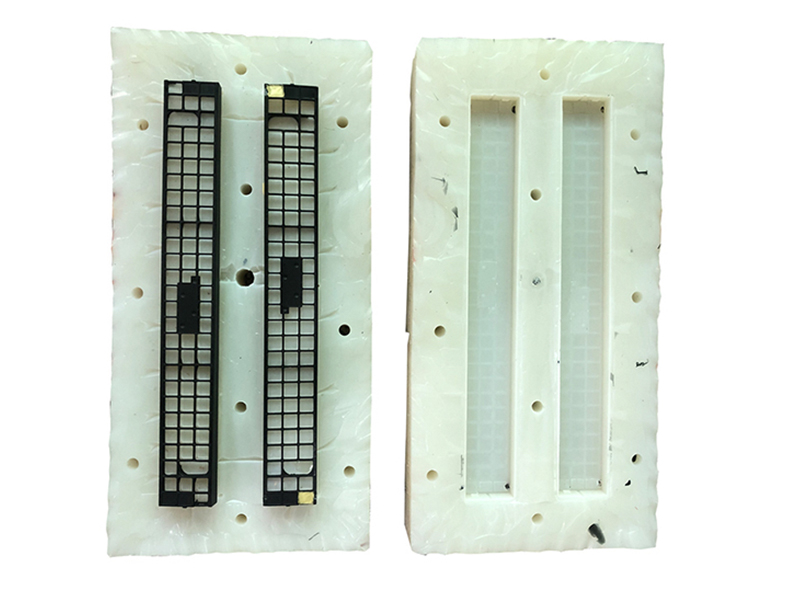
Vacuum casting, also called Urethane casting or Polyurethane casting which uses silicon moulds to make a high-quality prototypes of plastic and rubber components by using polyurethanes resins. It’s a low-cost, productive and efficient solution for making high quality small batches of prototypes.

Content Parameters
Material Options ABS, PMMA, PS, Elastomer, PP, Acrylic,
Accuracy ±0.05 mm (Best so far)
Minimum wall thickness 1.5mm to 2.5mm
Maximum part dimension 2200mm*1200mm *1000mm
Typical Quantities Up to 50 parts per mould
Color Optional and customized per customer’s requirement
Surface Finish Optional and customized per customer’s requirement
Typical Lead Team 7 to 15 days for 10 to 20 pieces of parts

Advantage & Disadvantage of Vacuum Casting

Advantage

  • Master pattern components can be used within 24hrs, reducing prototyping time and cost for new products.

  • Vacuum casting creates high-quality injection moulding type parts for prototypes or low volume end-use parts in benign environments. A wide range of resins is available for various applications, including clear, rubbery, flame retardant, food-grade, and colored. Resin type can be changed without retooling to test various materials for an application.

  • Multi-segment moulds & cores can accommodate complex shapes and features, and aluminium and brass in-mould inserts are also viable.

Disadvantage

  • The mould made of soft silicon wears out quickly, lasting only for about 30-50 parts. The wear depends on the size, surface textures, and features. Mould life is reduced by bigger parts, rough textures, and many proud features.

  • Shrinkage occurs due to thermal expansion, with a typical rate of 15%-0.25%. Deviations from normal tolerance may occur due to irregular, overly thin or thick features. The manufacturer generally allows for shrinkage tolerance, but it’s worth confirming before placing an order.

  • Post-processing determines the surface finish, which may be limited to the outside only. Sharp corners and texts may have rounded edges, and some features require plugs and cores.

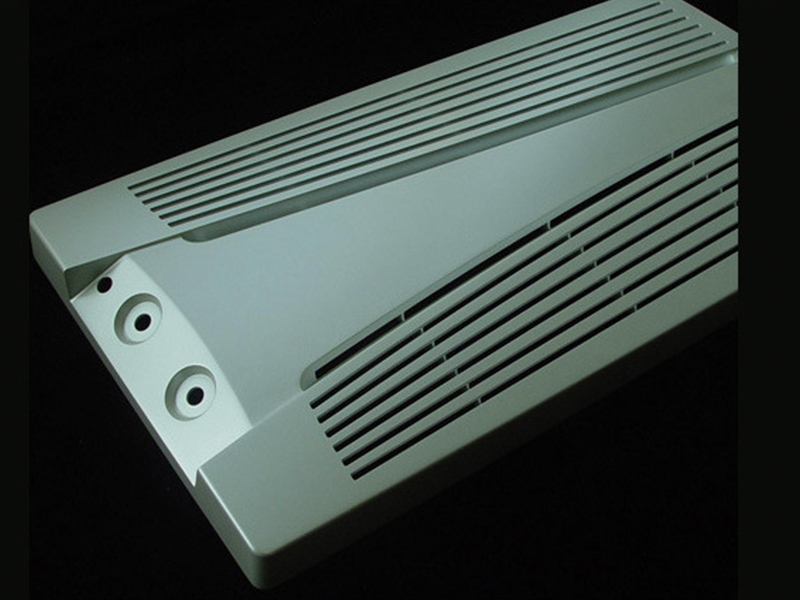
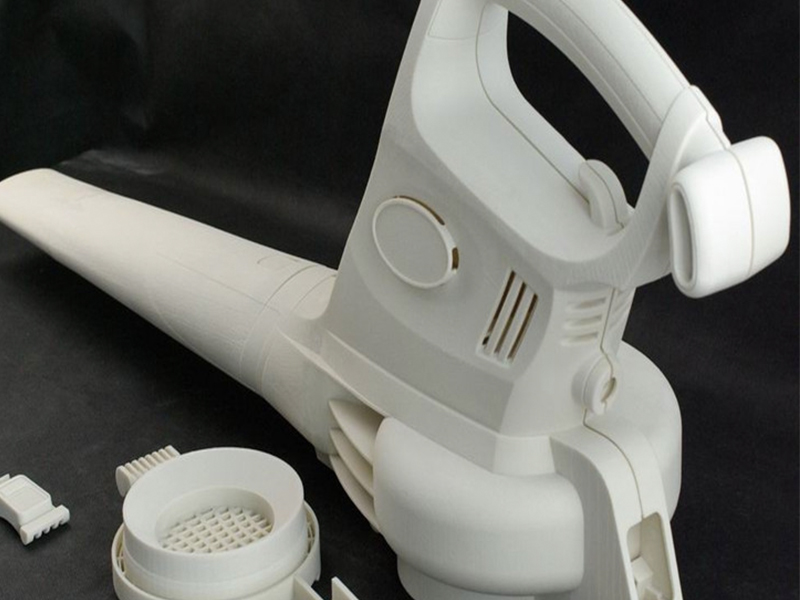
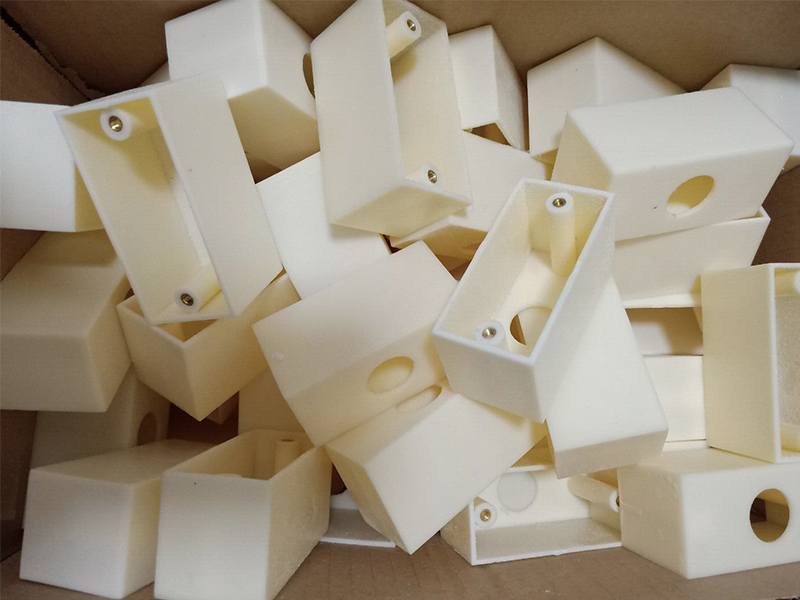
Samples Display

Rapid Prototyping Vacuum Casting
Vacuum Casting for Small Batch Production
Vacuum Casting vs Injection Molding
Vacuum Casting Techniques

WANT TO KNOW MORE?

Get in touch to find out how our team can help with your project.