What’s the difference between CNC machining, vacuum casting, and 3D printing for prototyping?
MaxWise is a leading OEM one-stop custom manufacturer for prototypes, molds, and production parts for a wide range of industries. We offer several prototyping technologies, including CNC machining, vacuum casting, and 3D printing. Each technology has its own set of benefits and limitations, and choosing the right one for your project depends on a variety of factors, including your design requirements, production volume, and timeline.
CNC Machining
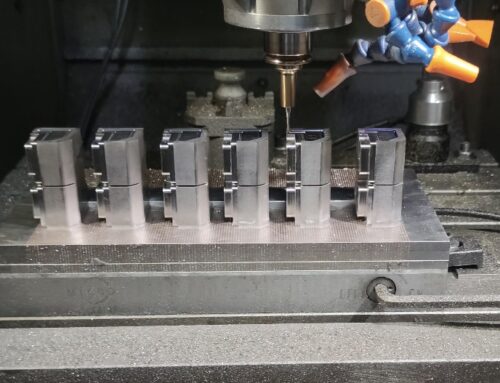
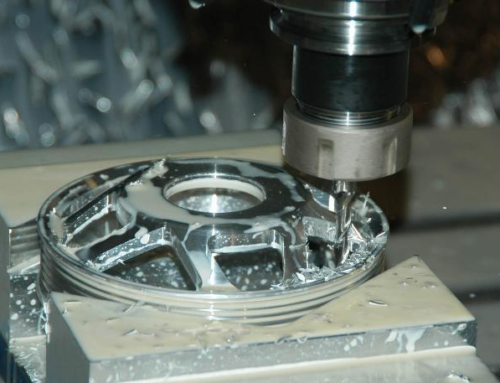
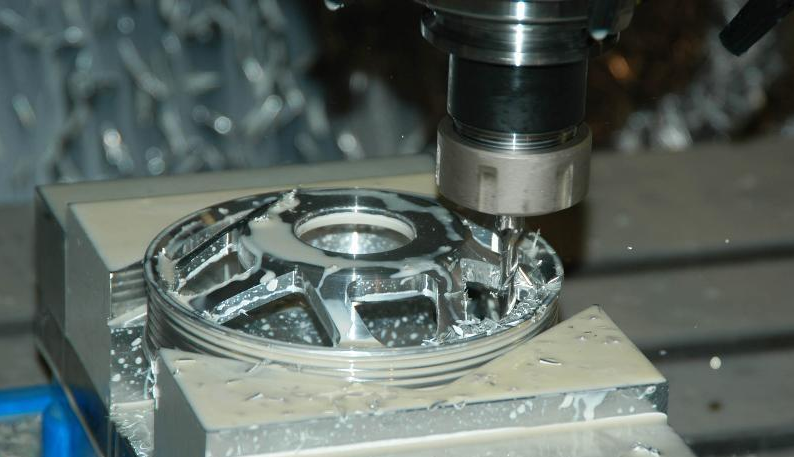
CNC machining is a subtractive manufacturing process that uses computer-controlled machines to remove material from a block of raw material to create a final part. CNC machines are highly precise and can produce parts with tight tolerances and complex geometries. CNC machining is suitable for a wide range of materials, including plastics, metals, and composites. At MaxWise, we offer a variety of CNC machining services, including 3-axis, 4-axis, and 5-axis machining. CNC machining is best suited for low to medium production volumes, as the setup costs can be high.
Vacuum Casting
Vacuum casting is a low-cost alternative to injection molding that is ideal for creating small to medium-sized parts. The process involves creating a silicone mold from a master pattern, then pouring a liquid resin into the mold under a vacuum. The resin then cures and hardens to create the final part. Vacuum casting is suitable for a wide range of materials, including polyurethane, silicone, and epoxy. The process is highly versatile and can produce parts with a wide range of surface finishes, colors, and textures. Vacuum casting is best suited for low to medium production volumes, as the molds can only be used a limited number of times, about 15 to 20 pieces.
3D Printing
3D printing, also known as additive manufacturing, is a process that builds a part layer by layer from a digital file. 3D printing is highly versatile and can produce parts with complex geometries and intricate details. The process is suitable for a wide range of materials, including plastics, metals, and composites. 3D printing is ideal for producing small to medium-sized parts quickly and cost-effectively. However, the process can be slow for larger parts, and the surface finish is typically not as smooth as other processes. 3D printing is best suited for low to medium production volumes, as the build times can be long.
Choosing the Right Technology for Your Project.
At MaxWise, we work closely with our customers to understand their design requirements, production volume, and timeline to recommend the best prototyping technology for their project. Our team of experts has extensive experience in all of the technologies we offer and can help you choose the right one for your project. Contact us today to learn more about our prototyping services and how we can help bring your project to life.
Share this post: